Prev Post
Plot vs. Flat: Weighing the Pros and Cons of Real Estate Investments
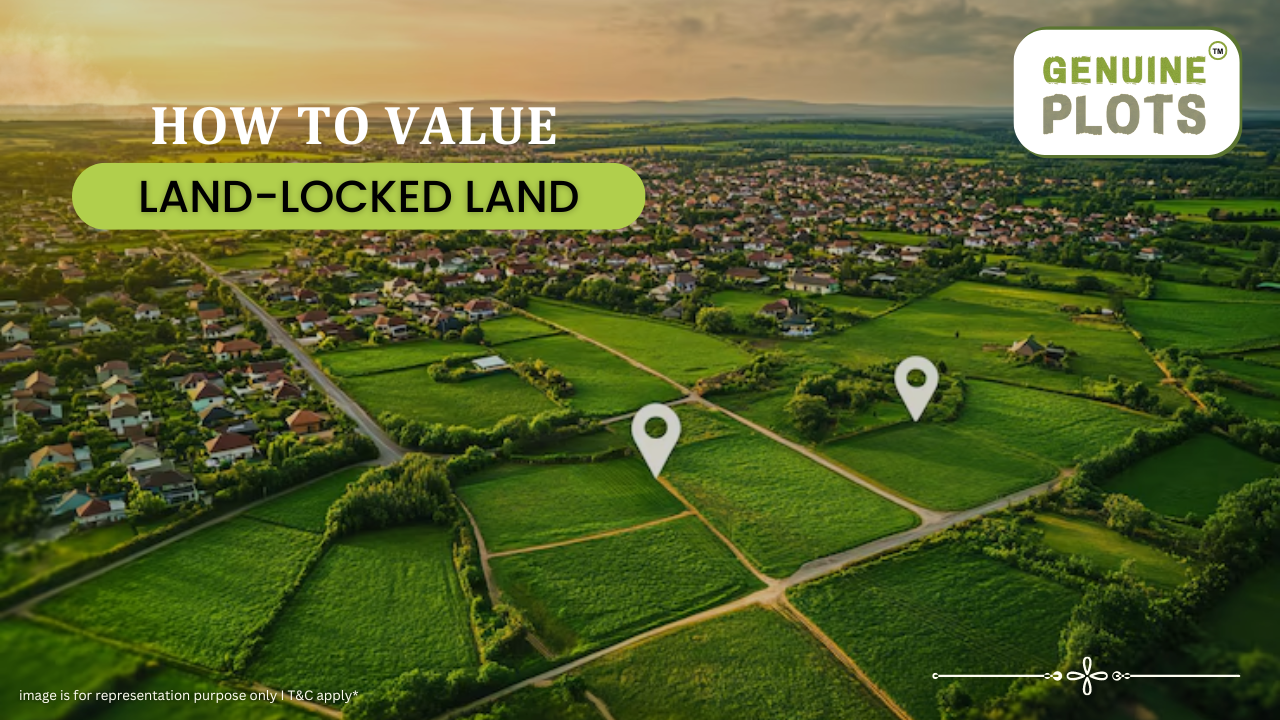
Land-locked land means a piece of land that doesn’t have direct access to roads or other public places. Valuing this type of land can be a bit tricky, but here’s a simple guide to help you understand it better.
- Check where the land is located. Is it close to important places like markets, schools, or factories? Even though it is land-locked, if it is near valuable places, it may be worth more.
- Measure how big the land is. Bigger land usually costs more, but the value also depends on other factors.
- Find other land pieces that are similar and see how much they cost. This will give you an idea of how much your land might be worth.
- Think about what the land can be used for in the future. If it can be used for something important or profitable, it might increase in value.
- Even if the land is land-locked, check if there are plans to improve access in the future. Easier access can make the land more valuable.
- Make sure there are no legal problems with the land. Clear legal status adds to the land’s value.
- If you’re unsure, ask a real estate expert for help. They can provide a more accurate valuation.
In summary, valuing land-locked land involves understanding its location, size, similar land prices, future use, access, legal issues, and sometimes getting professional advice.To learn more and find verified, clean land with expert advice and online booking options, contact Genuine Plots today!
 October 14, 2024
 October 14, 2024
 October 14, 2024
 October 14, 2024
 October 14, 2024
 October 14, 2024
 October 14, 2024
 October 14, 2024
 October 14, 2024
Land-locked land means a piece of land that doesn’t have direct access to roads or other public places. Valuing this type of land can be a bit tricky,...
Land-locked land means a piece of land that doesn’t have direct access to roads or other public places. Valuing this type of land can be a bit tricky,...
Land-locked land means a piece of land that doesn’t have direct access to roads or other public places. Valuing this type of land can be a bit tricky,...
Land-locked land means a piece of land that doesn’t have direct access to roads or other public places. Valuing this type of land can be a bit tricky,...
Land-locked land means a piece of land that doesn’t have direct access to roads or other public places. Valuing this type of land can be a bit tricky,...